Know Your Closet, Know Your Stretch

Before cutting, gluing, or stitching, learn what each garment can handle under twist, bend, and breath. Understanding stretch percentage, recovery, opacity, and seam direction helps you choose pieces that tolerate deep lunges, sweaty flows, and repeated transformations while still looking polished off the mat and resilient after frequent washing.

No-Sew Transformations For Instant Flexibility

When time is tight or machines feel intimidating, no-sew methods shine. Strategic tying, knotting, and adhesive reinforcement can convert a tee into a halter wrap, turn leggings into adjustable crops, and create temporary transformations you can revert. These methods let you test silhouettes before committing to permanent stitches or structural changes across your favorite pieces.

Wrap, Twist, And Tie Into New Silhouettes

Fold a fitted tee diagonally, cross panels behind the neck, and tie low for a halter that loosens into a draped post-flow layer. Transform a longline bra with narrow scarf ties laced through underband loops, offering cross-back, racerback, or front-knot options. Secure knots with miniature silicone bands to prevent slipping during dynamic sequences and playful inversions.

Cut, Ladder, And Braid With Control

Create narrow vertical slits along a tank’s side seam, ladder them evenly, and braid for breathable compression that still flexes. Trim leggings to mid-calf, then round the edges with gentle curves to avoid rolling. Reinforce raw cuts with fabric glue beads. Always cut less than you think, test movement, then refine, respecting fiber direction and overall garment balance.

Adhesives, Snaps, And Temporary Tricks

Use stick-on snaps to create detachable crossover fronts or convertible side vents. Add fusible web behind stress lines for strength without bulk. Fabric tape can anchor quick hems before class. These low-commitment tools help you audition multi-way concepts, gather feedback during practice, and iterate without fear, while preserving garments for future experiments, travel, and evolving needs.

Starter Stitches That Make Pieces Multi-Way

Basic sewing unlocks adjustability and longevity. With a zigzag stitch or a simple stretch-friendly seam, you can add loops, sliders, and gussets that transform silhouettes on demand. These approachable techniques support repeated wear, easier laundering, and confident modulation across restorative, vinyasa, and high-heat sessions, then transition cleanly into street-ready, layered everyday outfits afterward.

01

Adjustable Straps With Sliders And Rings

Sew narrow loops to the inner bra band, attach rings, thread elastic straps with sliders, and anchor ends with a reinforced zigzag. Now straps re-route from halter to X-back in seconds without bulk. Add small bartacks at stress points, test under arm circles, and fine-tune tension so shoulder mobility remains free while support feels secure during balancing transitions.

02

Breathable Panels, Gussets, And Inserts

Open inner thigh seams carefully and insert diamond gussets cut on the stretch to support lunges and splits. Replace dense back panels with power mesh for airflow. Blend seams with gentle curves to prevent hotspots. These practical inserts redistribute pressure, improve range of motion, and help fabrics recover faster, extending useful life while reducing wardrobe churn and waste.

03

Clean Finishes Without Fancy Machines

Use a narrow zigzag or twin needle for hems that stretch, or apply fold-over elastic for edges that hug without biting. Press lightly with a warm iron and pressing cloth. Clip notches around curves. Thoughtful finishing prevents tunneling, ripples, and itch, allowing convertible configurations to look intentional, refined, and ready for errands, classes, or relaxed evenings.

Design A Modular System

Hidden Loops And Anchor Points
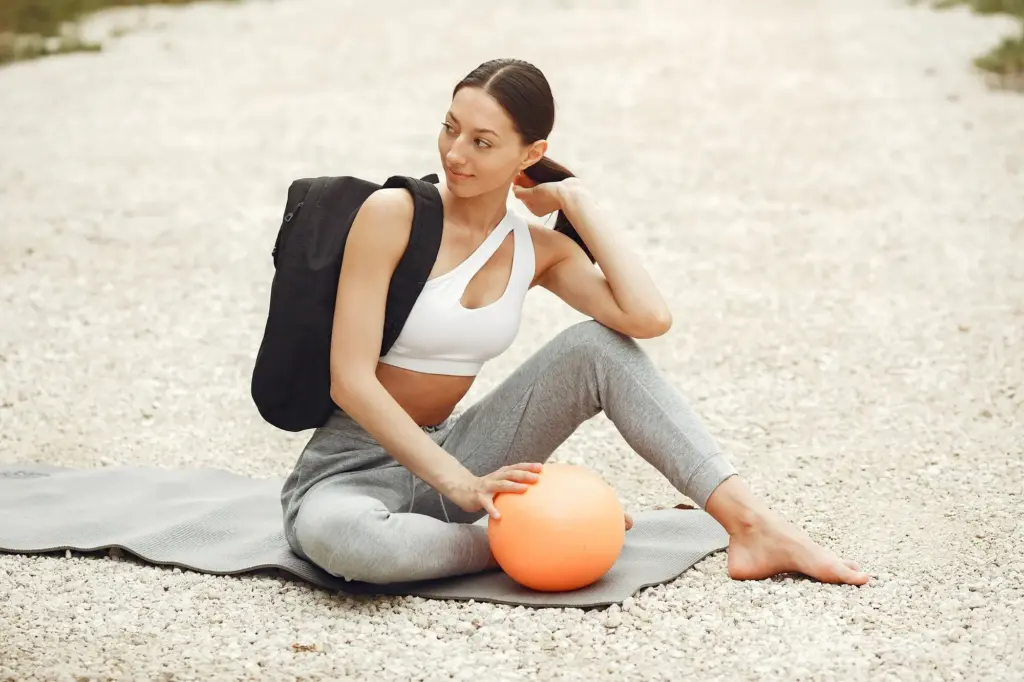
Stitch tiny elastic loops at shoulder seams, inside waistbands, and along hemlines. These anchors invite scarves, cords, or detachable ties to route securely for fresh silhouettes. Place them symmetrically to balance tension and keep drape intentional. During inversions, hidden anchors reduce shifting, preserving alignment, while off the mat they enable elegant wraps without constant readjusting or fuss.

Reversible Builds And Inside-Out Beauty

Construct seams with soft bindings so both sides look finished. Use contrasting yet compatible colors to flip moods: calm neutrals for city commutes, bright tones for energized flows. Hide labels in pocket seams and duplicate logos subtly. Reversible logic doubles your options without extra closet space, encouraging playful experimentation and mindful consumption that feels stylish, considered, and refreshingly personal.

Detachable Parts And Pocket Magic

Create snap-on sleeves that convert tanks to long-sleeves before chilly savasana, then store them in a waistband pocket. Add clip-in coin or key pockets that move between leggings and skorts. Keep closures low-profile and rounded to avoid pinches. This modularity supports errands, classes, and travel, transforming ordinary basics into endlessly flexible, stress-reducing companions every single day.

Test For Flow, Safety, And Longevity

Real practice reveals truth. A quick sun salutation sequence, a deep squat series, and a short inversion hold show seam strain, slip risks, and ventilation needs. Document tweaks, wash tests, and dry times. Refine fit gradually so your newly flexible pieces feel trustworthy, resilient, and joyful through busy schedules, sweaty sessions, and spontaneous detours beyond the studio.

Style Play And Everyday Outfit Formulas

Beyond the studio, adaptability should still feel polished. Build outfits that convert quickly without a full change. Think reversible tanks under blazers, adjustable leggings with tidy hems, and detachable overlays that soften or sharpen lines. Keep a tiny kit in your bag and treat every hallway or elevator mirror as a cheerful styling checkpoint for curious experimentation.

Show Your Conversions And Inspire Others

Share a before-and-after carousel, then add quick clips of the tie changes in real time. Mention your fabric blend, stitch length, and test sequence. Tag local studios and friends curious about upcycling. Your clear notes save others from guesswork, spark new twists on old basics, and turn supportive comments into practical improvements for the next joyful iteration.

Ask Questions, Swap Fixes, Trade Insights

Start a thread about adhesives that survive hot classes, or sliders that adjust smoothly but never dig. Invite seamstresses, teachers, and beginners to weigh in. Collect mini case studies. The back-and-forth builds skill quickly, normalizes trial and error, and ensures that each garment learns from another, becoming smarter, kinder to skin, and easier to maintain over time.

Craft With Care And Cut Waste Kindly

Set aside offcuts for scrunchies, cord wraps, or patchable gussets. Donate excess to community centers or beginner sewing clubs. Choose durable notions, repair rather than replace, and journal each modification’s impact on comfort and longevity. A mindful approach strengthens budgets, reduces landfill, and keeps your evolving wardrobe aligned with values that support wellness, sustainability, and expressive daily living.

Share, Learn, And Grow Together

Creativity multiplies in community. Post progress photos, explain what worked, and describe what you would change next time. Invite questions about adhesives, stitches, or fit fixes. Offer gentle encouragement for first-time makers. Consider a monthly challenge with prompts, and help newcomers celebrate small wins, building momentum that makes mindful, multi-way dressing feel accessible and exciting for everyone.
Ravonexolivozavotavo
Privacy Overview

This website uses cookies so that we can provide you with the best user experience possible. Cookie information is stored in your browser and performs functions such as recognising you when you return to our website and helping our team to understand which sections of the website you find most interesting and useful.